📝 My Blog
Insights and articles about networking and technology
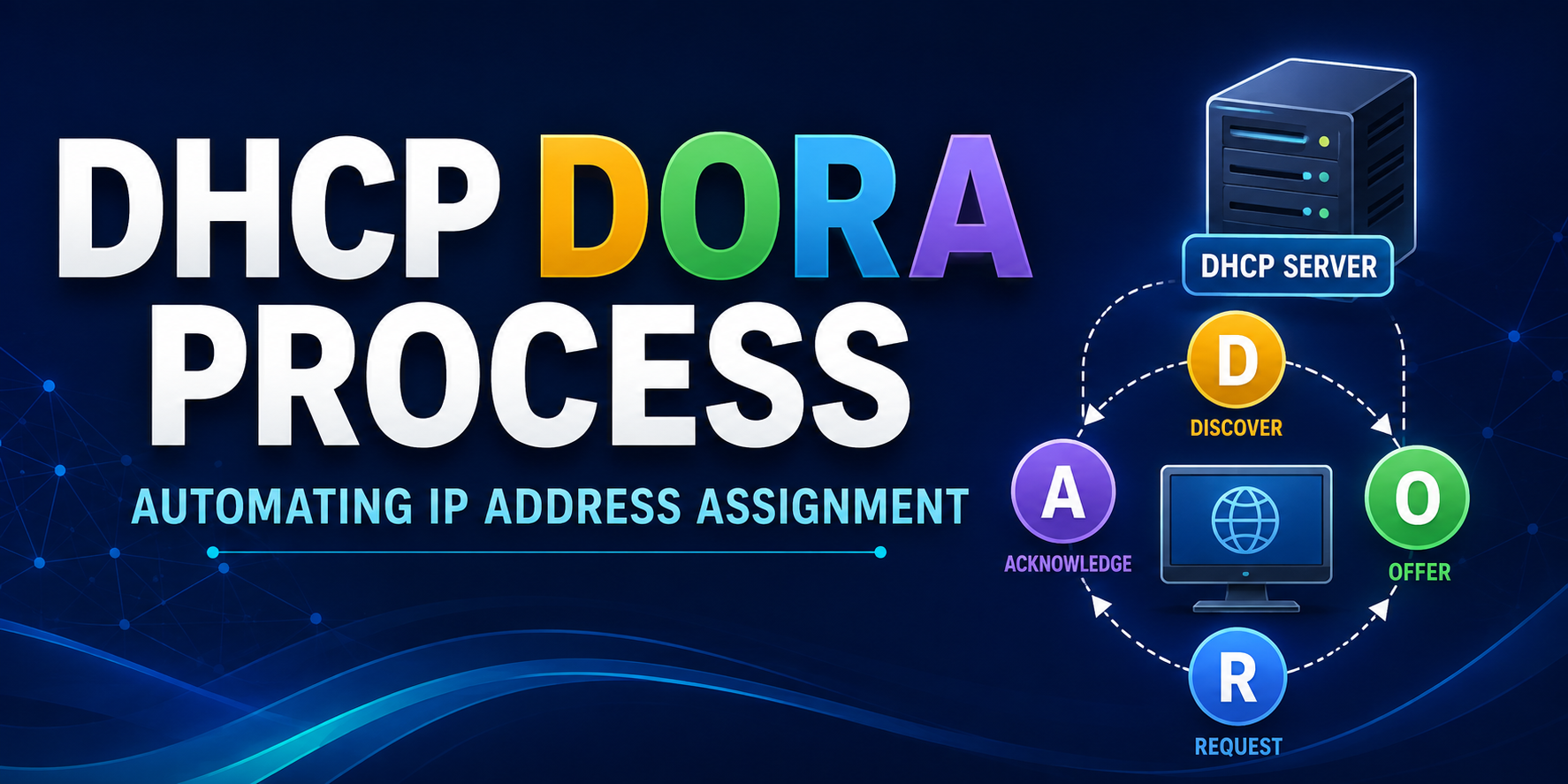
Understanding the DHCP DORA Process
The DHCP DORA Process is the four-step communication mechanism that enables devices to automatically obtain valid network configurations from a DHCP server. It eliminates manual IP address assignment by allowing clients and DHCP servers to exchange information through Discover, Offer, Request and Acknowledgement messages.
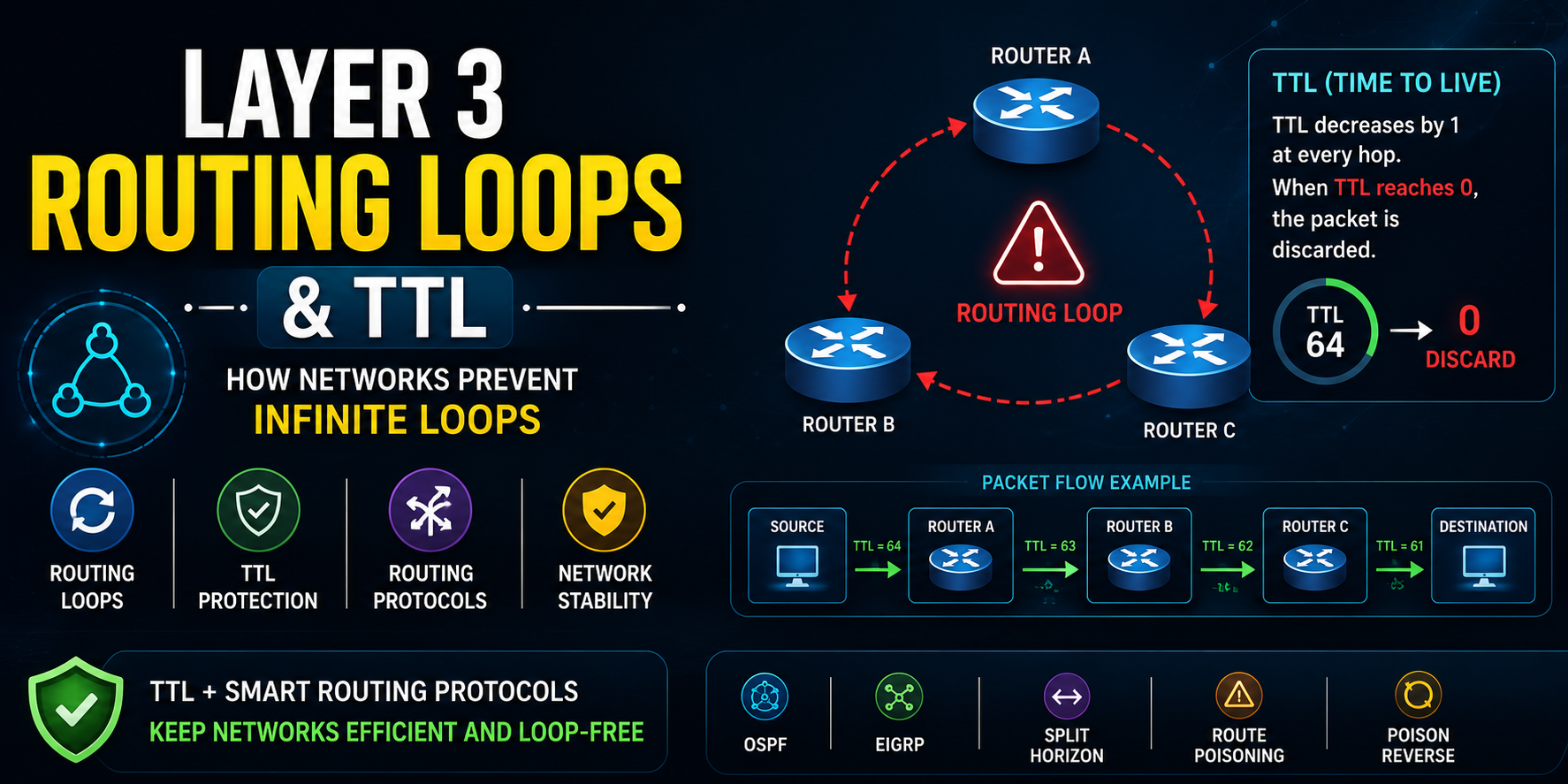
Understanding Layer 3 Routing Loops and TTL in Computer Networks
This article explains Layer 3 routing loops, one of the most common problems in IP networks. It discusses how routing loops occur, the role of Time To Live (TTL) in preventing endless packet circulation, routing protocol mechanisms that eliminate loops and real-world networking scenarios. The blog also explores default TTL values across different operating systems and networking devices, making it suitable for students, CCNA learners and network professionals.
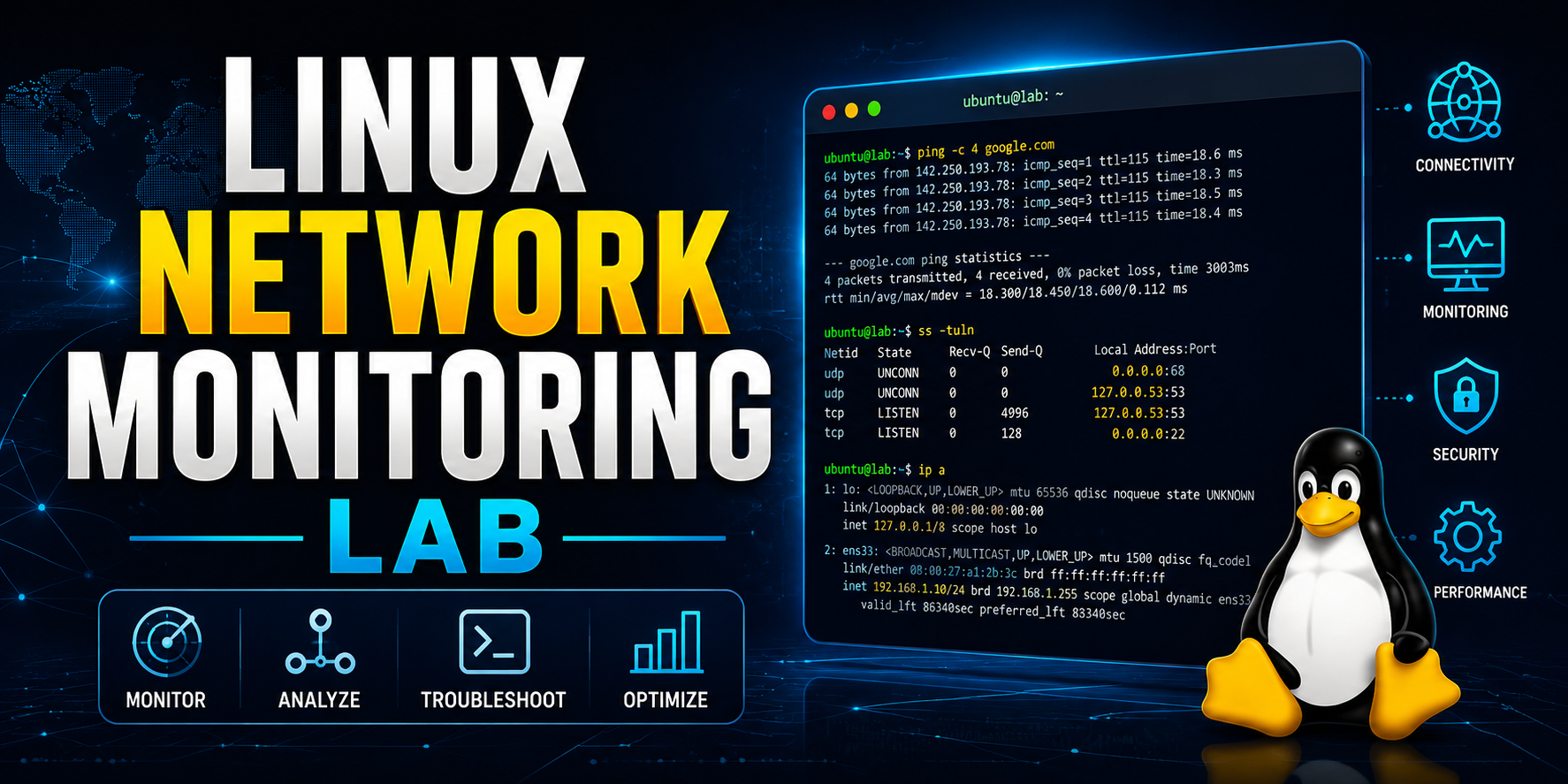
Linux Network Monitoring Lab: Essential Networking Commands for Network Engineers
This project demonstrates the practical use of Linux networking commands to monitor connectivity, inspect network interfaces, analyze active connections and troubleshoot network-related issues. Using an Ubuntu virtual machine, the lab provides hands-on experience with essential command-line tools commonly used by Linux administrators and network engineers.
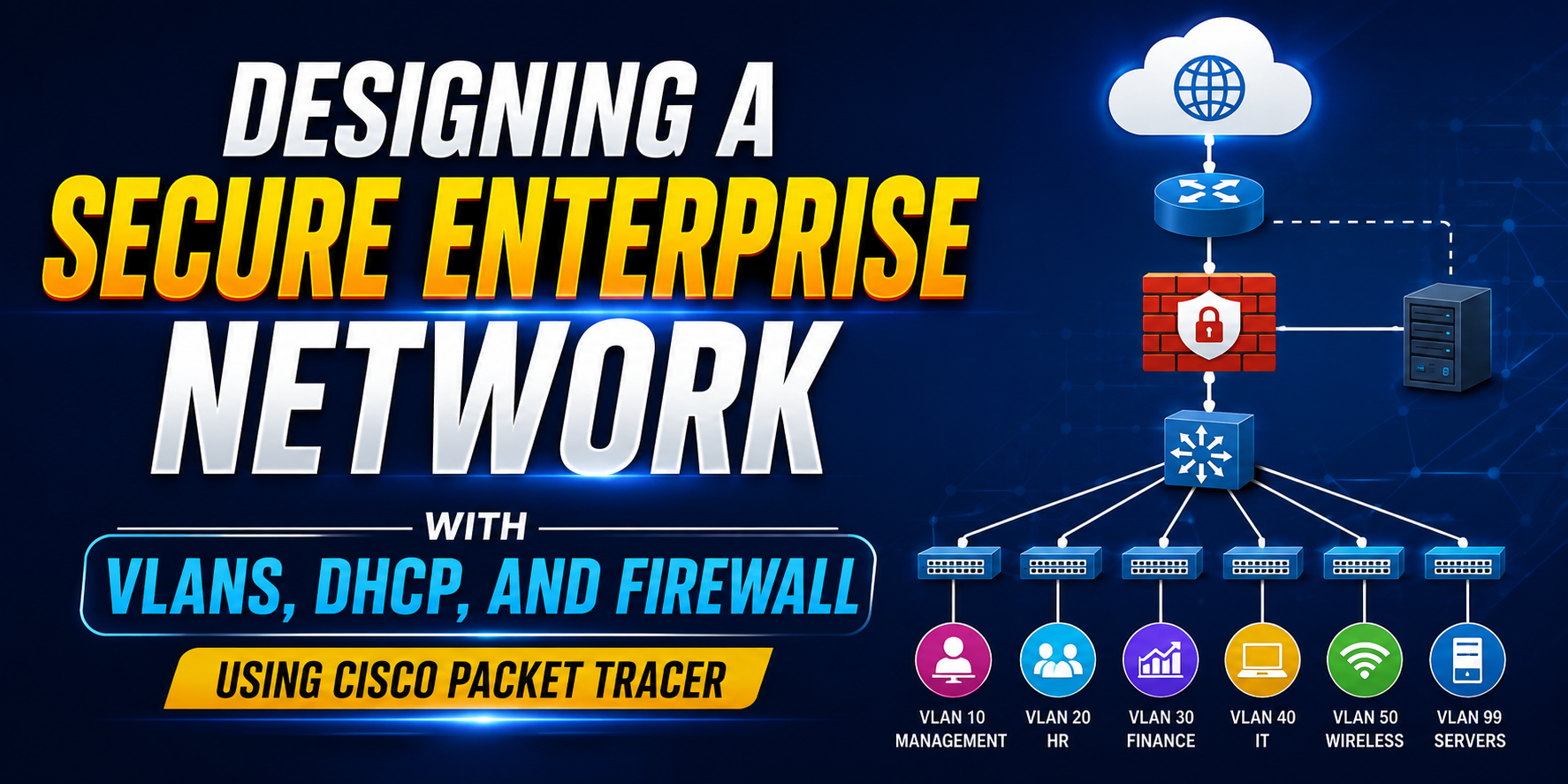
Designing a Secure Enterprise Network with VLANs, DHCP and Firewall Using Cisco Packet Tracer
This project demonstrates the design and implementation of a secure enterprise network using Cisco Packet Tracer. The network consists of an ISP connection, ASA Firewall, Layer 3 Core Switch, multiple Layer 2 Access Switches, a centralized DHCP Server, Wireless Router and several departmental VLANs including Management, HR, Finance, IT, Wireless and Servers. The implementation focuses on enterprise networking concepts such as VLAN segmentation, Inter-VLAN Routing, Dynamic IP Address Allocation using DHCP Relay, Network Address Translation (NAT), Access Control Lists (ACLs), Wireless Connectivity and secure communication between internal departments while preventing unauthorized access from external networks.
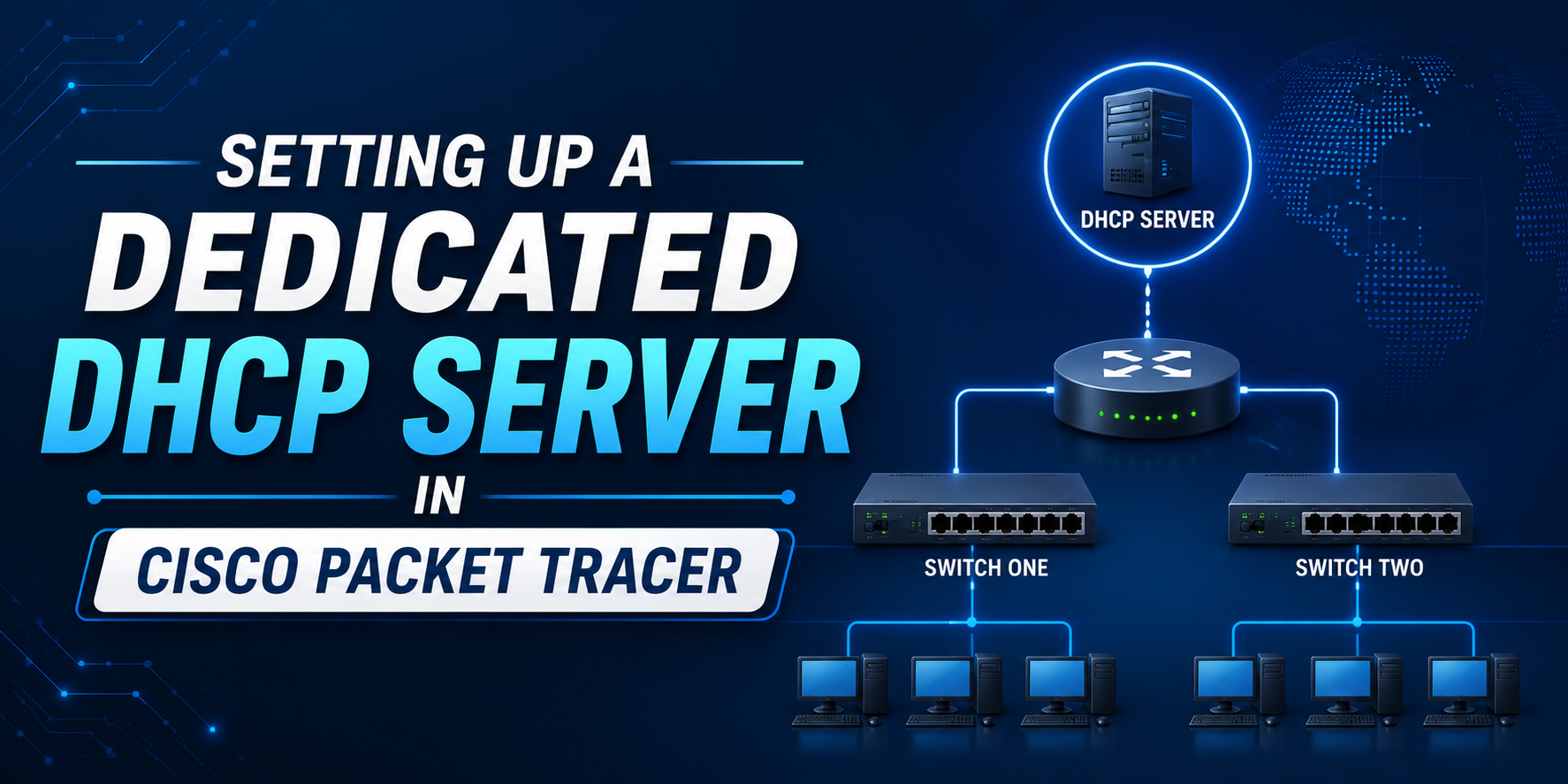
Setting Up a Dedicated DHCP Server in Cisco Packet Tracer
This project demonstrates the implementation of a dedicated DHCP Server in Cisco Packet Tracer to automatically assign IP addresses across multiple network segments. The network consists of a router, two switches, a dedicated DHCP server and multiple client PCs. By configuring DHCP pools for different subnets and utilizing the ip helper-address feature on the router, devices in separate networks can dynamically receive IP configurations from a centralized DHCP server.
Connecting Accounts and Delivery Departments Using Cisco Packet Tracer
This project demonstrates the design and configuration of a departmental network using Cisco Packet Tracer. The objective is to connect the Accounts and Delivery departments through a router and switches, allowing devices in both departments to communicate with each other. The network is configured using the IP address range 192.168.40.0 and includes proper subnetting, IP addressing, default gateways and connectivity testing to ensure successful communication between departments.
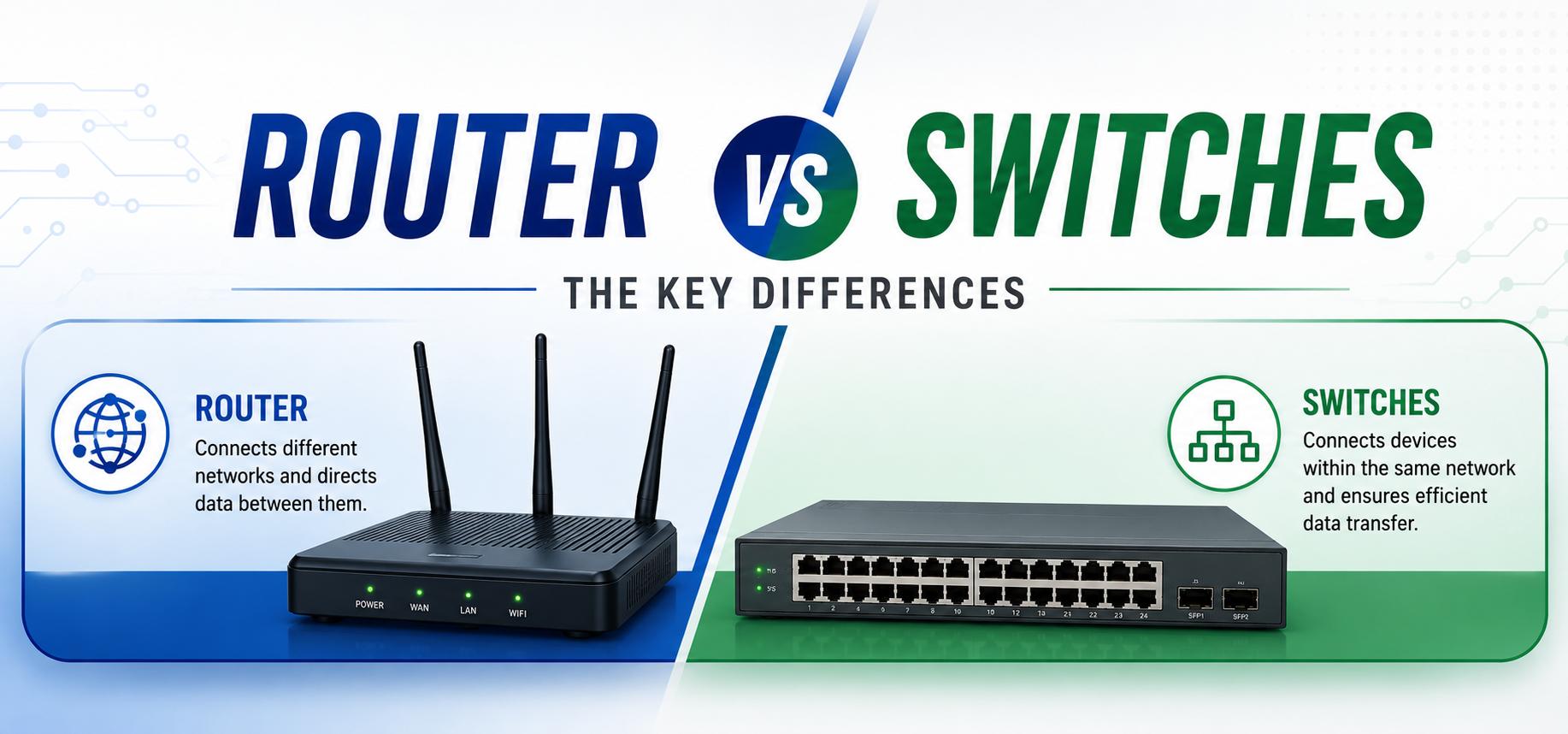
Router vs Switches: The Key Differences
Routers and switches are two of the most important networking devices used in modern computer networks. Although they often work together, they perform different functions. A router operates at Layer 3 (Network Layer) of the OSI model and uses IP addresses to route data between different networks. A switch operates at Layer 2 (Data Link Layer) and uses MAC addresses to forward data between devices within the same local network. Understanding the differences between routers and switches is essential for building, managing and troubleshooting network infrastructures.

Exploring the IT Industry: Career Paths, Skills and Opportunities
The Information Technology (IT) industry offers a wide range of career opportunities across software development, infrastructure management, cloud computing, cybersecurity and business operations. Understanding the different domains, required skills and available career paths can help students and professionals make informed decisions about their future careers.
Network Components and Their Functions
Computer networks are built using various networking devices, end devices and communication media. Each component performs a specific function that helps devices communicate efficiently. Understanding these components is essential for students, networking professionals and anyone learning computer networking.
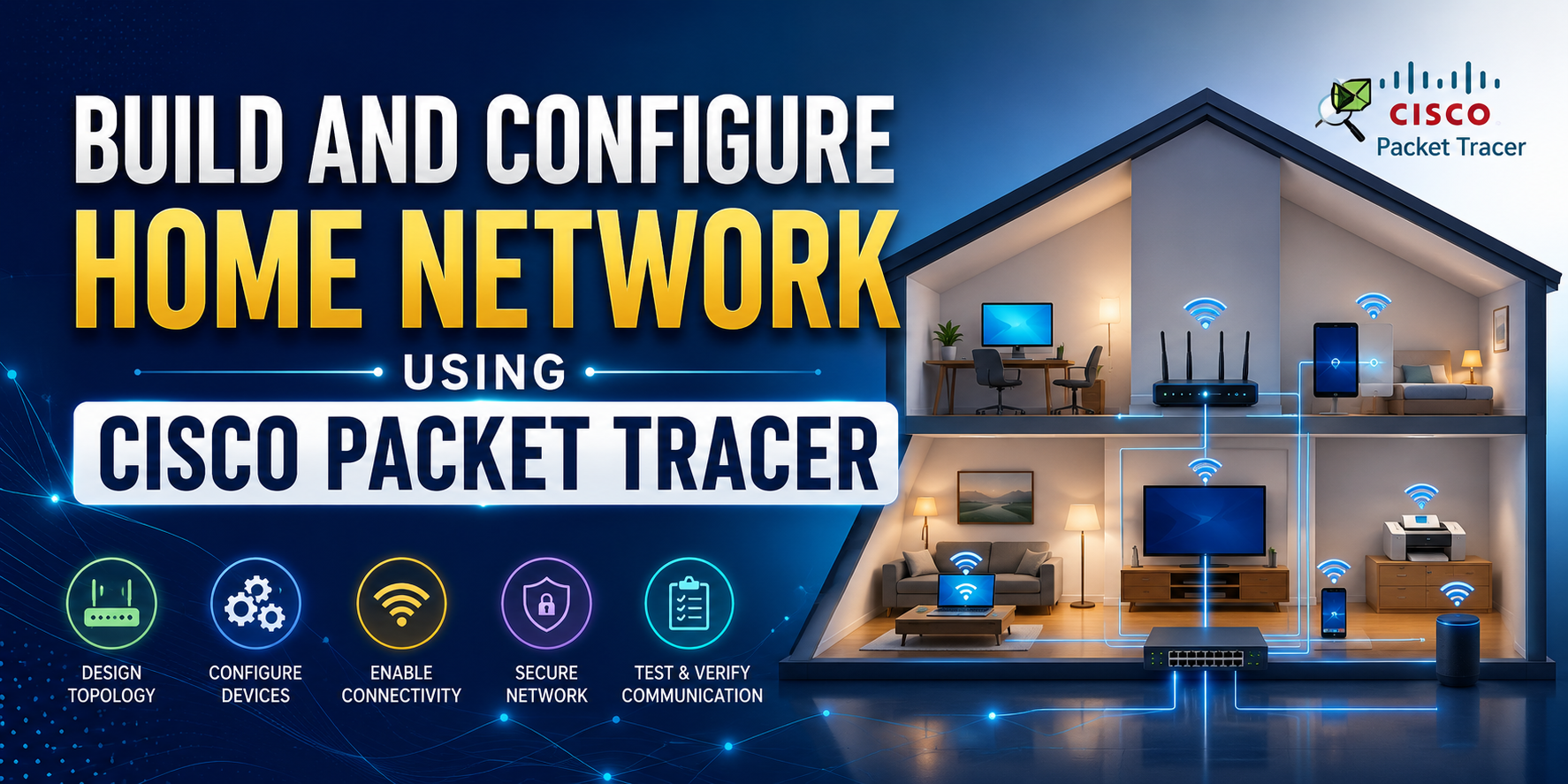
Build and Configure Home Network Using Cisco Packet Tracer
This project focuses on designing and configuring a Home Network using Cisco Packet Tracer. The network consists of a Wireless Router (WRT300N), an Access Point and multiple wired and wireless devices including a PC, Laptop, Smartphone, Tablet, Printer, Music Player and Bluetooth Speaker. The wireless router acts as the central networking device, providing DHCP services and wireless connectivity, while the access point extends network coverage to additional wireless devices.
📬 Let's Connect
Always open to collaboration, opportunities and interesting conversations about technology.